
What Makes Full Mouth Dental Implants Different?
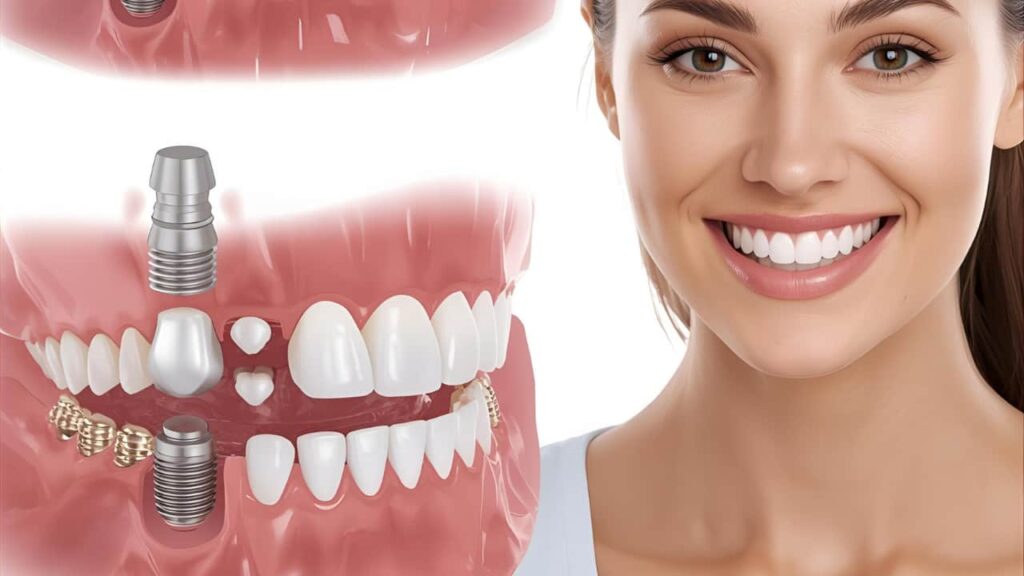
When I first met individuals suffering from extensive tooth loss and severe dental issues, I saw how often traditional dentures would slip, shift, and even limit dietary choices. That’s when I realized why Full mouth dental implants are a truly revolutionary solution. Unlike dentures that rely on adhesive or suction both of which become unreliable over time implants are rooted directly into the jawbone, mimicking the function of natural teeth.
This advanced solution offers unparalleled stability, and because the implant is constructed from biocompatible materials like titanium or zirconia, the process of osseointegration allows the bone and implant to fuse, ensuring the replacement teeth remain securely anchored. From my experience, the advantages are immediate: a stable, permanent alternative that transforms not just how you chew, but how you speak and smile comfortably What stood out most to me was the aesthetic appeal.
The implants are designed to resemble natural teeth so well that the seamless look instantly boosts confidence. More importantly, they maintain facial structure, preventing the sunken appearance that often accompanies loss. In contrast, dentures sometimes exacerbate this issue, leading to unwanted changes in appearance. Beyond looks, the implants contribute to enhanced oral health by replacing missing teeth, which helps preserve bone, avoid deterioration, and supports integrity in the long run.
I’ve seen how this reduces potential future complications and encompasses both functional and aesthetic improvements. The merits clearly extend beyond the clinic they improve quality of life, making it easier to enjoy food, conversation, and everyday moments, while also encouraging others to consider this advanced solution.
Why Turkey Stands Out for Full Mouth Dental Implants
In recent years, Turkey has emerged as a prominent destination for dental tourism, especially for individuals seeking full mouth dental implants. The rise in popularity is often attributed to multiple factors that make the country an attractive option for both local and international patients. From my own work with clients, the cost effectiveness of procedures here has always been a significant draw. In Western countries, a single implant can be prohibitively expensive, sometimes reaching several thousand dollars in price.
By contrast, the competitive pricing in Turkey allows patients to save a substantial amount while still receiving exceptional services from qualified professionals who never compromise on quality care.Beyond affordability, I’ve seen firsthand how the advanced technology utilized in Turkish clinics sets them apart. These centers are equipped with cutting edge equipment and tools, ensuring the latest treatment methods are always available.
Many dentists, trained with state of the art techniques, deliver work that enhances precision and effectiveness, particularly for full mouth implants. Their high qualifications, often supported by training from esteemed institutions globally, mean they possess the experience and expertise needed for complex cases. This guarantees patients are treated with the utmost skill, often leading to successful outcomes.
I’ve even heard testimonials from previous patients who highlight their treatments with compelling stories of improved quality of life after a post implant procedure. The combination of affordability, skilled professionals, and world class care makes Turkey an appealing choice for anyone considering full mouth dental implants.
Stepwise Journey of Full Mouth Dental Implantation
The process of full mouth dental implantation is truly comprehensive, often involving meticulously planned steps that aim to ensure optimal results. The journey begins with a thorough consultation, where the dental surgeon evaluates the patient’s oral health. During this initial phase, patients disclose medical history and discuss specific needs and expectations regarding dental implants.
This stage is fundamental, laying the groundwork for the subsequent phases of the procedure. In my experience, the following advanced imaging techniques, such as cone beam computed tomography (CBCT), are employed to generate detailed three dimensional images of the jawbone and surrounding structures.
Such scans are crucial for effective planning of the implant placement, helping the surgeon assess bone density and quality, both of which are essential factors for success. Based on this, a treatment plan is formulated, carefully outlining the exact number of implants required, their positioning, and the type of dentures best suited for the case.
The surgical procedure then involves insertion of the implants into the jawbone, which typically requires local anesthesia and sometimes sedation for comfort. The surgery is performed in a sterile environment, with the implants strategically placed to maximize stability. Once this is done, a healing period is initiated, known as osseointegration, where the implants gradually fuse with the bone.
This stage may take several months, during which temporary dentures are provided to support daily function. After sufficient healing, the permanent dentures are crafted and fitted, restoring both aesthetic appearance and the smile. Patients often describe this as a successful transformation, resulting in a stable, functional set of teeth that drastically improve oral health and quality of life.
Getting Ready for Full Mouth Dental Implants
Preparing for full mouth dental implants is an essential step that can significantly influence the success of the procedure. Before undergoing this restorative dental option, patients should ensure comprehensive medical evaluations, which often involve a thorough dental examination, imaging studies like X rays or CT scans, and discussions regarding medical history.
This information allows the dental team to assess the patient’s bone density and overall oral health, both critical factors in determining feasibility. Sometimes, dietary restrictions are necessary in the lead up to surgery, especially when sedation or anesthesia is planned. Patients may be advised to avoid solid foods for a certain period to minimize risk of complications,
while a soft food diet with proper hydration is recommended to keep the body nourished without causing discomfort.Equally, discussing medications with the dentist is important, since some medications, particularly blood thinners, may need to be adjusted prior to surgery.Another critical component of pre operative preparations is choosing the right type of dental implant.
There are various types of implants available, including endosteal and subperiosteal options, and the choice depends on individual factors like jawbone condition and personal preferences. From my experience, consulting a dental specialist helps patients understand which implant type is best suited for their unique situation. For many individuals, managing anxiety about the procedure is crucial, especially for those who feel apprehensive.
Simple techniques such as deep breathing exercises, meditation, or pre operative consultations with mental health professionals can be very effective in alleviating fears. Finally, careful communication with the provider about concerns and preferences regarding anesthesia offers reassurance, making the pre operative steps smoother and paving the way for a successful dental implant experience.
Caring for Full Mouth Dental Implants After Surgery
Following full mouth dental implant surgery, proper post operative care is vital to promote healing and ensure long term success of the implants. From my own experience with patients, understanding and adhering to the recommended aftercare practices can significantly reduce discomfort and complications.
Pain management is usually the foremost concern because it is common to experience some level of discomfort. This can be generally managed with prescribed analgesics or over the counter pain relief medications, but patients must follow specific guidance provided by dental professionals on medication dosage and duration.
Equally, dietary recommendations are crucial during the post operative phase. When there is potential swelling or sensitivity, patients are advised to consume a soft diet in the first few days post surgery, including foods like yogurt, smoothies, mashed potatoes, and soups, which are beneficial because they require minimal chewing.
It is essential to avoid hard, crunchy, or sticky foods that could disrupt the healing process or even damage the implants.Maintaining oral hygiene routines is another important part of recovery. After surgery, I remind patients to be cautious when brushing surgical sites only gentle brushing with a soft bristled toothbrush is encouraged,
ensuring that tender areas are protected. Rinsing with a mild, non alcoholic mouthwash can also help in preventing infection, but only when advised by the dental care team.Regular follow up appointments are necessary for monitoring the healing process. These visits allow the dental team to assess the implants, address concerns,
and make adjustments if needed. By adhering to recommended aftercare practices, including proper medication management, dietary restrictions, careful oral hygiene, and attending follow up appointments, patients can reinforce the longevity and success of full mouth dental implants.
Costs and Payment Flexibility for Implants in Turkey
When considering the financial aspect of full mouth implants, I noticed that there are various financing options available in top clinics across Turkey. Many providers offer flexible payment plans that allow patients to spread costs over a specified period, making it easier for individuals to manage their budgets while still accessing necessary dental care.
I personally found interest free financing arrangements quite common, often permitting a portion to be paid upfront with the remainder in installments without incurring additional costs. Some Turkish clinics even provide attractive package deals that encompass the full range of services required in the dental implant process these packages may include initial consultations,
diagnostic imaging, the surgical procedure, post operative care, and sometimes even accommodation and transportation, which can reduce the overall cost burden for international patients. From my experience, it’s always best for prospective patients to compare such packages with individual treatments in their home countries to truly understand the financial benefits of seeking treatment in Turkey.