
Introduction
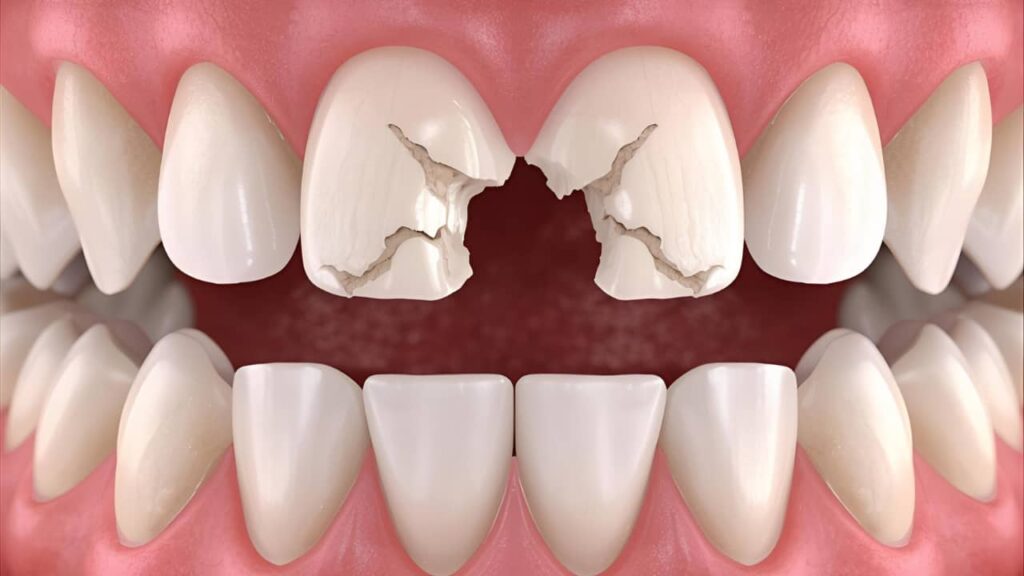
If you’ve bitten into a cookie that was crunchier than you expected, or perhaps you’ve accidentally tripped and fell on your face, you might now be worried about a chipped crown in your mouth. It’s common for people who grind their teeth to face this issue too. Sometimes, a chipped crown doesn’t cause much pain, but you might notice rough edges or sharp edges that feel uncomfortable when your tongue touches them.
You could also experience increased sensitivity to hot food, cold food, or any drink. A visible crack might even show when you’re brushing your teeth. These symptoms and circumstances mean it’s important to consider dental crown repair before the problem gets worse. From my experience, addressing these signs early can save you from bigger dental issues down the line.
What Are Dental Crowns?
A dental crown is a cap that dentists place over a damaged tooth to restore its original shape, size, strength, and appearance. When a tooth has too much damage for a simple dental filling to fix, a crown helps restore functionality by covering and protecting it.
Crowns are especially useful if you have a cavity or a tooth fracture because they can hold together the broken parts and prevent future problems. These crowns come in various materials, chosen depending on the tooth’s location and the level of protection needed. From my experience, using a crown can make a huge difference in saving your natural tooth and keeping your smile healthy.
- Ceramic: Ceramic crowns are made of a porcelain based material. Their natural color makes them a common choice for restoring the front teeth.
- Resin: Resin is most commonly used for temporary crowns, as it is the least durable material. Due to its susceptibility to fractures, resin crowns typically have a shorter lifespan.
- Porcelain fused to metal: This material offers greater strength and durability compared to regular porcelain because it is fused to a metal framework.
- Base metal alloys: Corrosion resistant non noble metals are used to create highly durable crowns.
- Gold alloys: These crowns are composed of a blend of gold, copper, and other metals, Gold bonds strongly to the tooth and is unlikely to fracture.
Most dental crowns typically last between five and 15 years. However, porcelain crowns tend to be more fragile and may require replacement more frequently.
Is It Normal for a Dental Crown To Chip?
Yes, dental crowns can break. The most common reasons include:
- Applying excessive pressure on the crown by chewing hard or sticky foods.
- The habit of teeth grinding, known as bruxism.
- Injuries or trauma to the mouth.
Furthermore, inadequate oral hygiene can cause tooth decay and weaken the teeth, increasing their risk of chipping.
What Should You Do if Your Crown Is Chipped?
When you realize you have a chipped crown, the first step is to carefully check the affected area for any missing pieces. If there is bleeding from the broken crown or tooth, gently apply gauze to control it. It’s important to call your dentist right away for professional guidance and share all the information about how the break happened.
You may feel sensitivity to cold or heat, which is common. Based on your details, the dentist will decide if you need to visit an emergency room immediately or if it’s safe to wait for a proper treatment.Usually, unless the damage is a sharp jagged break causing serious pain, waiting a day or two is okay. Avoid pulling a loose crown yourself,
since swallowing the crown can be a risk; if needed, your dentist will advise the best action. Meanwhile, rinsing your mouth with warm salty water can help calm inflammation caused by the accident. From my experience, following these steps helps manage the problem calmly until you get professional care.
Is It Possible to Repair a Chipped Crown?
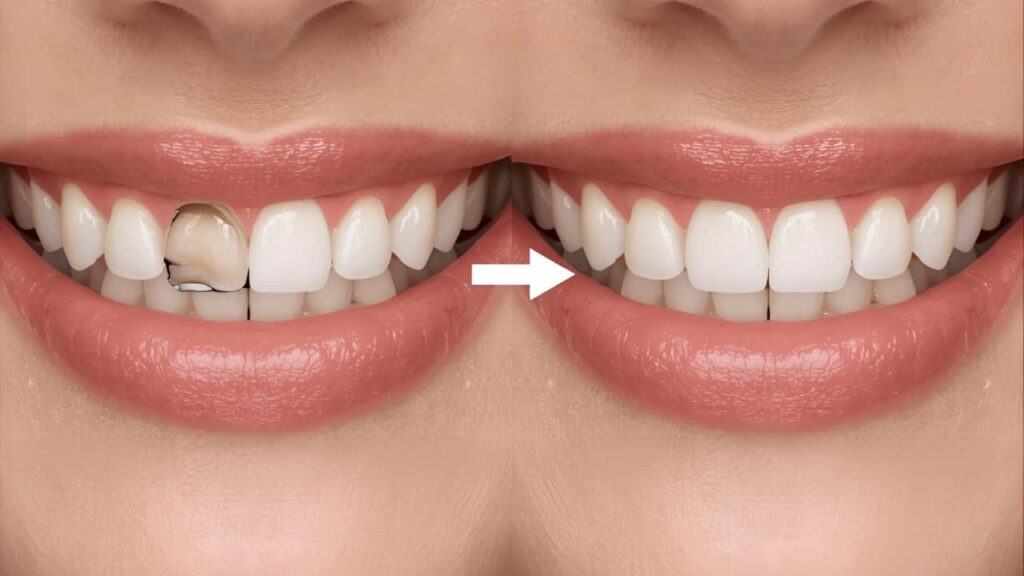
The answer is yes, with some limitations.
Many people often chip their porcelain crowns, which are made using special methods involving heating the porcelain to high temperatures. Only dentists with the right expertise and access to quality porcelain repair materials can fix these crowns using a technique called composite bonding,
where a composite resin the same material used in fillings and bonding is carefully applied. This procedure isn’t something all dentists can easily perform, as it requires a specific porcelain repair kit to be kept in stock. If you need a repair, it’s best to choose a dentist known for their reputation in fixing chipped crowns.
However, in some cases, repairing a broken crown may not be cost effective or even possible, and you might have to invest in a new crown instead. From my experience, understanding these options helps you make the right decision for your dental health.
Select Penn Dental Medicine for Expert Dental Crown Repairs
At Penn Dental Medicine (PDM), they specialize in repairs for chipped crowns, helping patients whose situations meet specific requirements. They guide you through the necessary steps and help you schedule a prosthodontist appointment if you are a suitable candidate for the procedure.
Located within the University of Pennsylvania’s School of Dental Medicine, their student dentists work with high grade materials and advanced technology that many private practices don’t have. From what I’ve seen, this access to top quality resources makes a real difference in getting your crown fixed right the first time.