
introduction
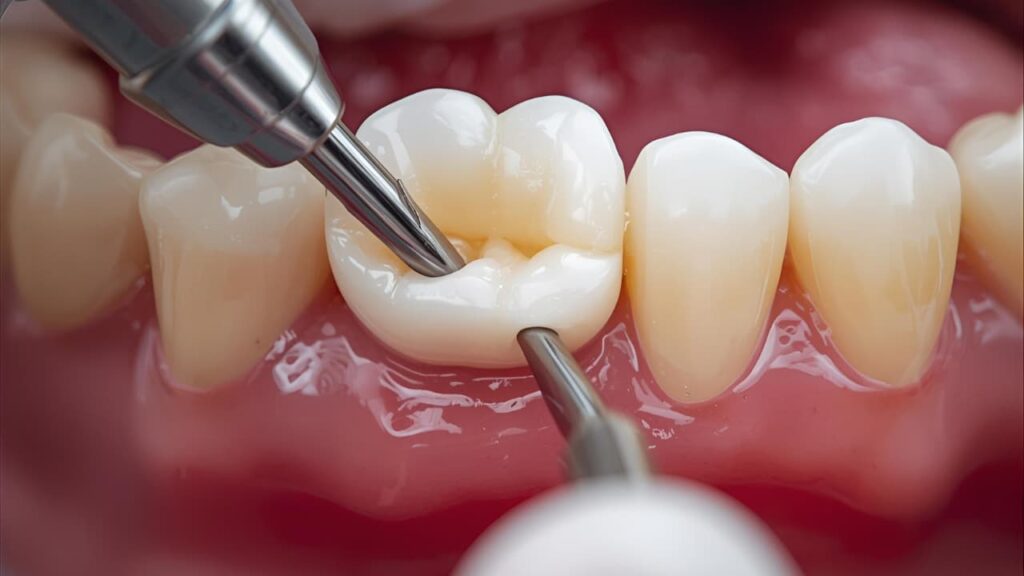
From my many years of experience as a dentist, I know that dental crowns are one of the most popular methods for restoring damaged or weakened teeth. This is a tooth shaped cap that is carefully placed over the tooth, completely enclosing it to restore its function, shape, and appearance.
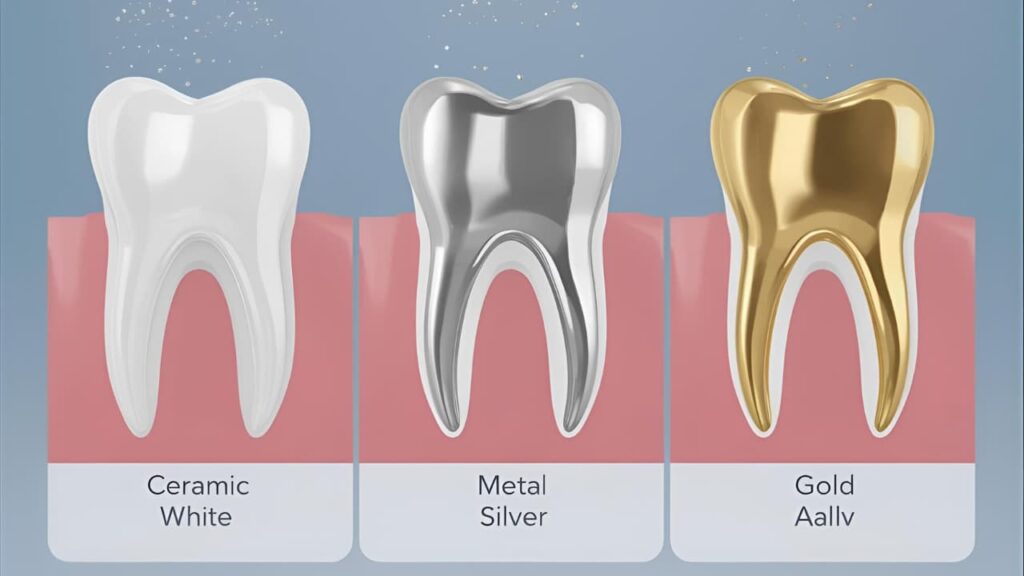
We often recommend this treatment during a consultation when the tooth has lost its structure due to decay or injury. These crowns are made from materials such as porcelain, ceramic, metal, or plastic and can be customized to match the color and size of your natural teeth.
This isn’t just about aesthetics it’s a complete restoration that will give you a more beautiful smile and give you a clear idea of what to expect during the procedure. In this article, we’ll explain every step from the beginning to the aftercare to help you feel confident.
How does a crown protect your tooth?
In my many years of working with patients, I’ve seen how a dental crown can fundamentally improve the health of a damaged or weakened tooth. This type of restoration is designed to cover the affected area, providing stability and protection.
A dental crown is often custom fitted to the exact shape and size of the tooth for comfort and durability. It can be made from a variety of materials, such as metal, porcelain, or even a combination of both, depending on what best suits the patient’s needs and budget. While each option offers individual benefits, all aim to protect your tooth and restore its full function.
Dental crown treatment procedures:
Advice: Is a crown right for your tooth?
The first important step for a dental crown is scheduling a consultation with your dentist. They will examine your teeth and determine if this is the best treatment option for your individual needs. In our experience, we often take x rays to better identify any damage, cavities, or underlying tooth structure,
and to determine whether the tooth is healthy enough to support the crown. If a crown is recommended, I always take the time to discuss the entire procedure, explaining each step and answering all your questions so you feel confident about the treatment.
Preparation: Prepare your tooth for the crown
Once you and your dentist have decided on a dental crown, the next step is to prepare the tooth. This involves removing any decayed or damaged areas and shaping the remaining structure to create a stable base. A local anesthetic is applied to the area for your comfort.
An impression of the prepared tooth and surrounding teeth is then taken and sent to a dental laboratory to create your custom crown. Meanwhile, a temporary crown is placed over the tooth to protect it until the final crown is ready.
Final placement: Inserting the crown
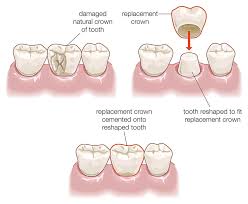
Once your custom crown is ready, your dentist will schedule an appointment to place it on the prepared tooth. During this visit, they will remove the temporary crown, clean the area, and ensure everything is ready for the permanent crown to fit securely.
They will then check the fit and your bite. If any adjustments are necessary, they will be made promptly. Once everything is aligned, the crown will be cemented in place. The procedure is completed comfortably and carefully.
Dealing with pain and discomfort after a crown
Placing a dental crown is usually painless because your dentist will numb the area with local anesthetic prior to treatment. While the tooth is being prepared, you may experience some pressure or discomfort, but pain is rare. After treatment, it’s normal for the area to be sensitive or tender for a few days, as the tissue may have been irritated by the preparation.
Simple, over the counter medications like ibuprofen or acetaminophen can help ease pain. Many dentists also recommend special toothpaste or mouthwash to help relieve discomfort. If you experience severe pain, swelling, or signs of infection, you should contact your dentist immediately, as these could be potential complications.
Proper care of your crown
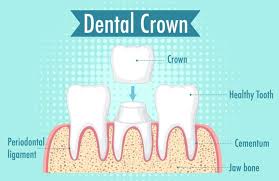
After the crown is placed, proper care of your new crown is important to ensure it lasts as long as possible. Your dentist will give you specific aftercare instructions, but I always remind my patients to follow some general guidelines: brush and floss regularly, pay special attention to the area around the crown, and avoid hard or sticky foods that could cause damage.
Also, schedule regular checkups to monitor the crown’s function and address any potential problems early. If you experience any discomfort or notice any loosening, contact your dentist immediately to have the situation investigated.
conclusion
A dental crown can be an effective treatment for restoring a damaged or weakened tooth, and the procedure itself is usually quite straightforward.
In my experience, patients who take the time to understand each step from consultation to aftercare feel significantly more prepared and know what to expect at every step. This helps them make an informed decision about whether a crown is the right option for their specific case.